
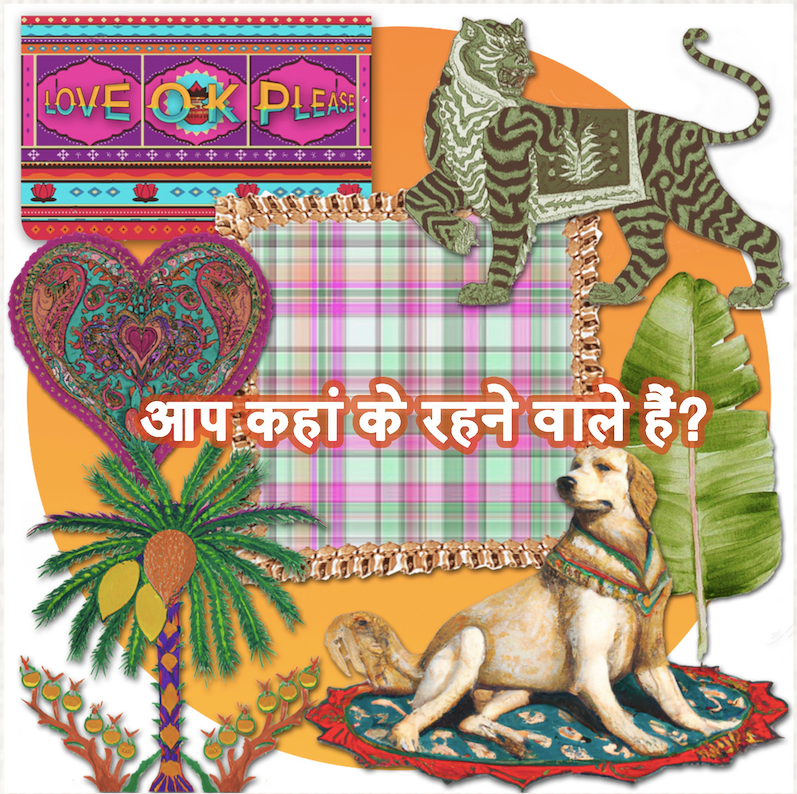
Goodmess' first collection- Where are you from?
Where are you from? Are you even in India if you haven’t been asked this question within the first minute of meeting a stranger? A lot of Indians can answer this proudly and straightforwardly. But then there are some — and I am one of them — for whom this very question sends us into a spiral. Where am I from? My family tree has representatives from most parts of the country, and now we’re scattered across the few remaining ones. How am I expected to give a one-word answer to that?
My family is a vivid cultural mix, thanks to love marriages and transferable jobs. I grew up in a nuclear household in Delhi, where my parents had a fairly liberal, modern style of parenting. When I left for college, I noticed something for the first time: everyone else seemed to have shared cultural stories, foods, and festivals to bond over, often in their mother tongues. Meanwhile, Delhiites like me just stood around being cool and chic, flaunting great clothes, and silently judging each other based on schools and neighborhoods. It got us attention, sure, but not much substance in conversations or bonding. To be fair, Delhi isn’t that shallow — we also talked about malls, restaurants, and clubs. Just kidding lol…
Delhi is vast and layered. Every little colony has its own culture. You can’t truly define this city in a single sentence. For some it’s urban and cosmopolitan, for others historic and old-world, but for all, it’s busy, bustling, and filled with love. Growing up in this city, I celebrated almost every major Indian festival. So in college, whenever festivals came around, I felt excited — they brought back childhood memories and made me feel like I could belong. But I also realized I didn’t know how to celebrate them authentically. The Delhi version had always been different. While everyone else immersed themselves fully in rituals and traditions, I could only participate through the clothes. For me, festivals were almost like a subtle version of fancy dress.
And when it was finally time for “my” festival — Diwali — I learned that apparently, it belongs to everyone. How is that fair? To make it worse, in our culture class at college, every state had a full two-hour session. Delhi’s presentation? Five minutes. The only slide said: “Shares cultures with bordering states of U.P., Haryana and Punjab. No distinct culture of its own. City has ruins of Mughal monuments.”
All this left me feeling like I didn’t belong anywhere.
In India — the land of countless cultures — I sometimes felt culture-less.
It bothered me that I didn’t look like I belonged to any one place, or have a “traditional” identity. On one hand, I’m grateful I wasn’t forced into cultural or religious rigidity. On the other, I often wished there was some practice, ritual, or way of being that felt uniquely mine. But maybe that’s the point — hailing from Delhi (the melting pot of India’s cultures and history) and belonging to my family (another melting pot of cultures), I’ve created my own identity: a little like potpourri.
Growing up, I also found myself strangely, emotionally drawn to army culture. Visiting Mughal monuments or Rajput forts always left me hoping I was somehow related to them — their grandeur and vision mesmerized me. Every time I saw a Punjabi scene in a film, I felt a spark of joy, as though it was home. Maybe it’s because so many of my friends were Punjabi — for a long time, I thought that was my culture too, since Punjabis make up a big part of Delhi. Only after my nana passed did I learn that his father had worked in army management services, stationed in pre-partition Punjab cantonments. Maybe my attraction to Punjab and the army isn’t baseless after all.
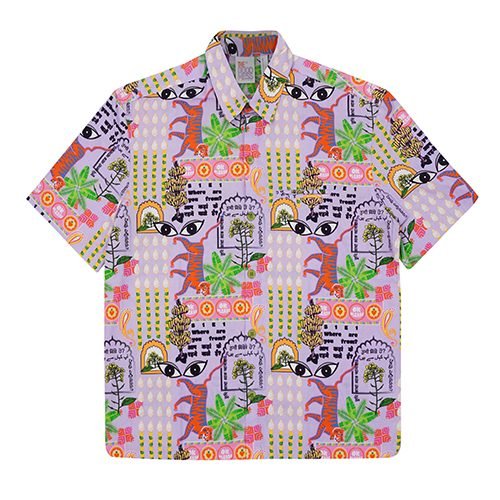
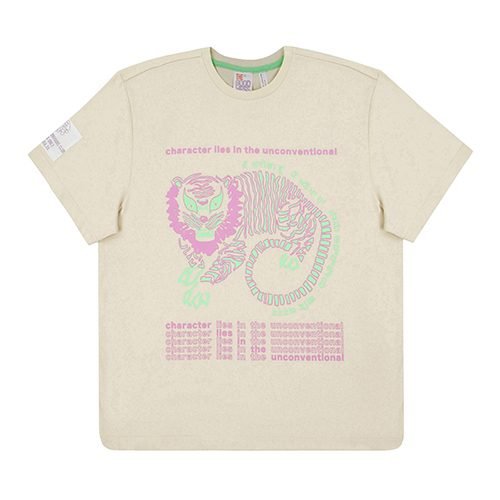
Our first collection — “Where are you from? | आप कहाँ के रहने वाले हैं?” — explores the journeys of many such Indians who are products of multicultural setups.
For many, it begins with families relocating due to jobs. Sarkari transfers were once the most common reason — each move shaping families with small cultural habits picked up along the way, blending into unique, eclectic identities. Today, migration for corporate jobs and “better” lifestyles continues this pattern, often creating cosmopolitan lives while diluting distinct traditions for future generations.
Children of Indian-origin parents living abroad face this even more strongly. Are they Indian first, or of the country they were born in? They may look Indian and carry Indian names, but to belong, they adopt their birth country’s ways. Over time, they create hybrid cultural identities, blending both worlds.
The same blur exists in border towns. Take Sri Ganganagar, on the Punjab-Rajasthan border — are its people Punjabi or Rajasthani? The answer is both, and neither.

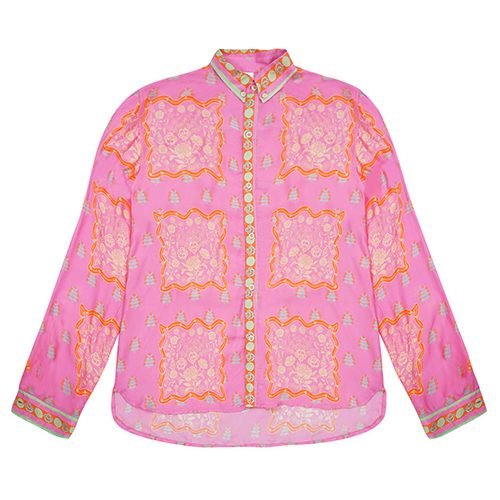
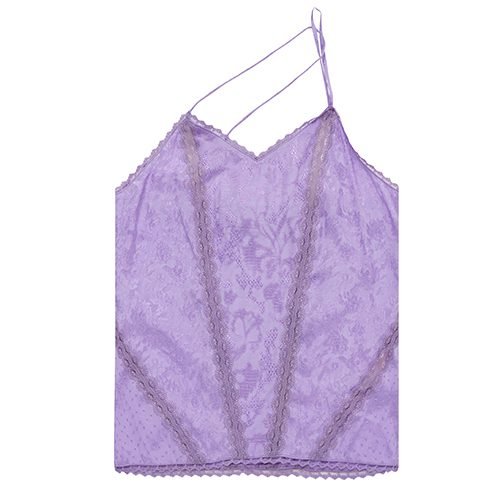
Multicultural marriages add another layer. Not only the children, but entire families balance multiple cultural traditions, forming something new in the process.
Even in army families, the term “BRAT” (Born, Raised, and Transferred) says it all. Moving every few years shapes identities in complex, layered ways.
And of course, forced migration from communal riots or conflict has created entire communities of displaced people in Delhi. Refugees rebuilt their lives here, adding to the city’s rich and mixed cultural fabric, keeping it alive and vibrant.
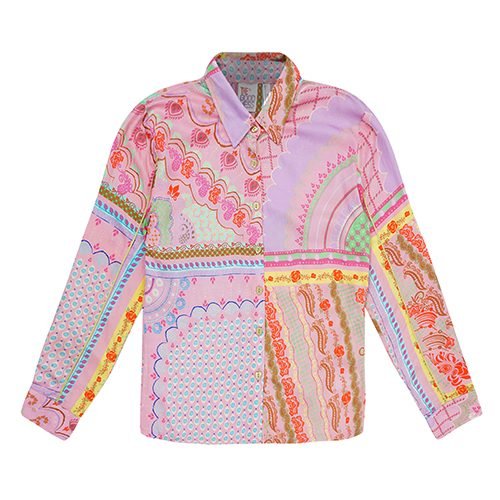
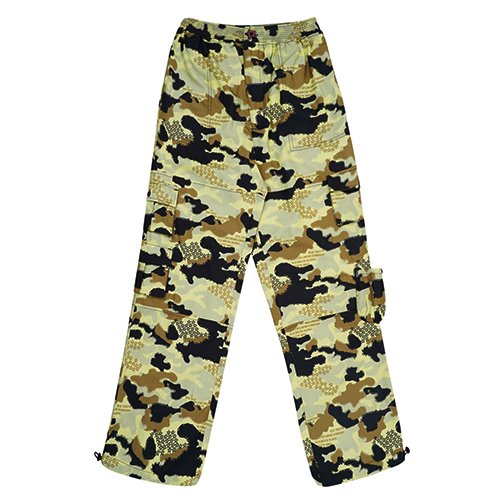
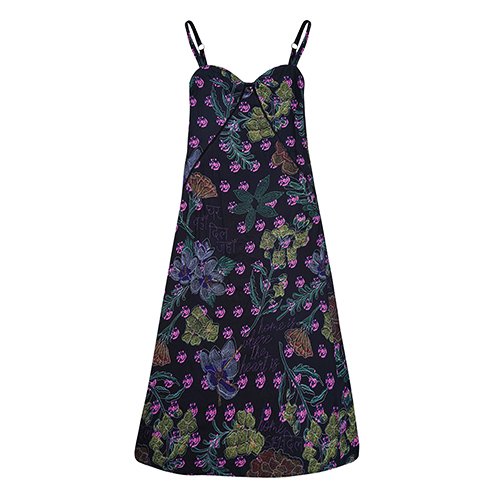
Delhi will always be the only place in the world I call home. Because, just like the city, I’m made up of bits and pieces of different cultures, stitched together into a celebration of it all. And yet, if there’s one thing all this chaos has taught me, it’s this: ‘ghar’ isn’t always a place. Sometimes it’s a set of people, a shared heartbeat, a feeling. Home is where love becomes the common culture.
That’s what Goodmess stands for too — a reminder that self-love is also a kind of homecoming. When you choose yourself through the chaos, when you keep showing up for who you are, you build a home within. This collection celebrates exactly that: the messy, beautiful mix of strength and softness, individuality and belonging. Because in the end, love — for yourself, for your story — is the culture we all share.
Good Culture blog.
Thank you! Hope it resonated with some part of you.
Some people don’t belong to just one place but everywhere
Yes, best not to ask them- aap kahan ke rehne waale hain?